
The Complete Guide to Roach Control in Virginia Beach & Hampton Roads
Live near the water long enough and you start noticing the air just feels heavier here. That's not your imagination. The humidity levels of Virginia Beach remain high throughout the year, and roaches thrive in that kind of environment, including kitchens, bathrooms, crawl spaces, any place where moisture accumulates faster than it can dry up.
It is precisely the moisture in the air that makes the need for roach control Virginia Beach something that people require constantly. Treat a house once and stop, and roaches usually find their way back within a year.
Nothing about that humidity is going away. So an ongoing plan generally beats a single spray-and-forget visit, and we'll get into exactly what that looks like in a minute.
A lot of what drives this comes down to the region itself. Coastal soil holds water longer than inland ground does, older neighborhoods have more settling cracks and gaps than newer builds, and the combination keeps pest activity running at a level most other parts of Virginia don't deal with year-round.
If you already know what you need, Diamond's existing roach control services page has the scheduling details. This guide is for everyone still working through identification, cost, safety, or just trying to figure out how roaches got in to begin with.
Why Roaches Are Such a Persistent Problem in Coastal Virginia
Moisture, food, warmth. That's really all a roach needs, and Hampton Roads hands out all three for most of the year without much effort.
Older houses close to the waterfront often have crawl spaces that operate in high humidity levels, sometimes having condensation present on pipes and joists. That, in itself, is enough to sustain a roach population despite the daily cleaning of the kitchen area. A roach exterminator working this area spends nearly as much time chasing down moisture sources as treating the roaches themselves. One feeds the other.
American vs. German Roaches: What You're Actually Dealing With
Knowing which roach you're looking at changes the whole approach.
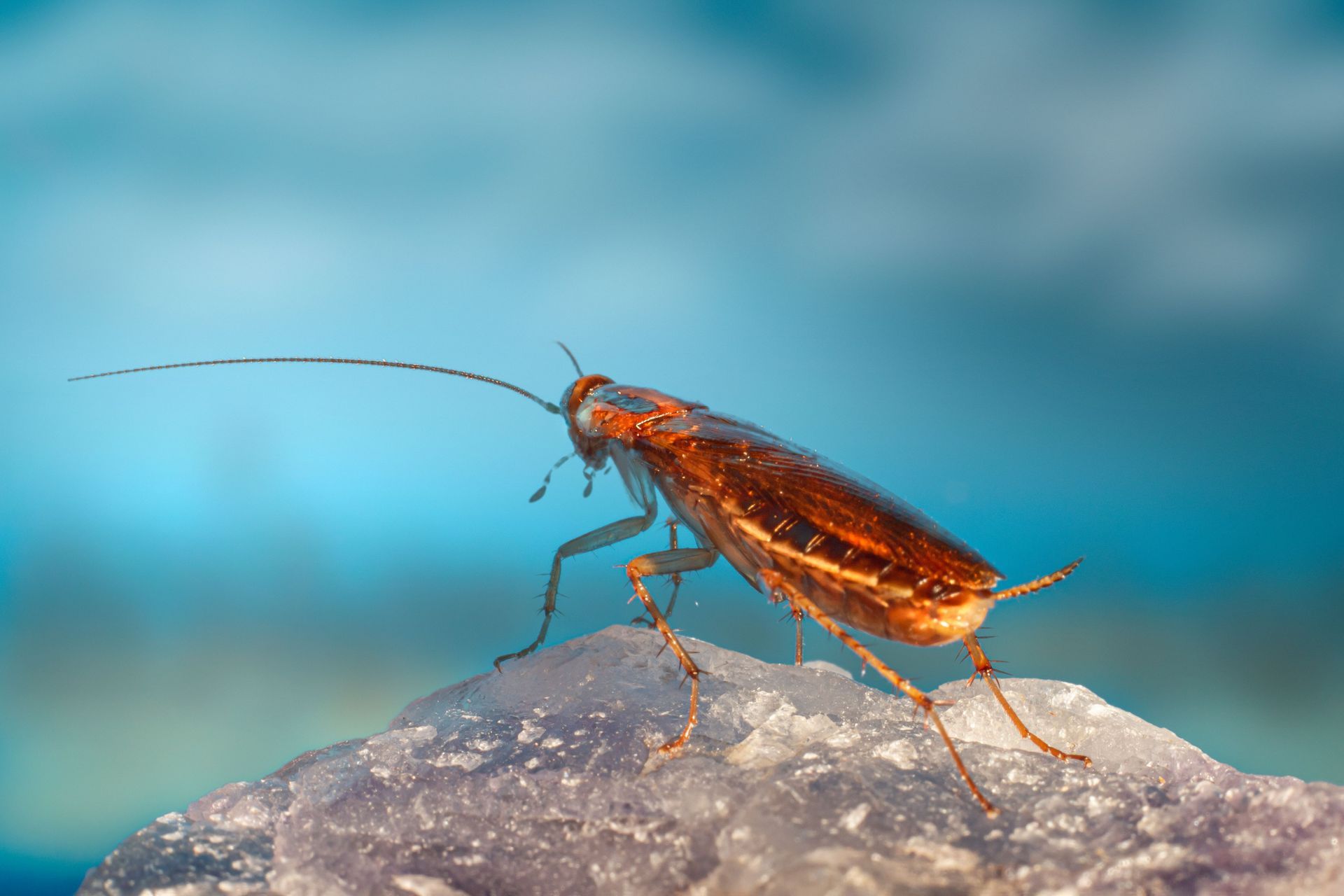
American roaches, the big reddish-brown ones most people picture, mostly live outdoors. Mulch beds, storm drains, crawlspaces. They wander in search for moisture during heavy rain or a stretch of dry heat, but they rarely build a real colony indoors. More of an occasional unwelcome visitor than a full-blown problem.
German roaches are a different story. Smaller, tan colored, and genuinely troublesome once they're established. The number of nymphs inside an egg case is between 30 and 40, and thus the number increases quickly. They are always found around kitchens and bathrooms where food and water meet. One German roach found almost certainly means there are others around.
| Basis | American Roach | German Roach |
|---|---|---|
| Size | 1.5-2 inches | 0.5-0.6 inches |
| Color | Reddish-brown | Tan to light brown |
| Typical location | Outdoor, crawlspaces, drains | Kitchens, bathrooms, indoors |
| Reproduction speed | Slower | Very fast |
| Treatment approach | Exterior + entry point sealing | Interior baiting + sanitation |
An American roach problem often gets solved just by fixing exterior moisture and entry points. German roaches need a closer look inside, interior baiting plus a hard look at kitchen sanitation, since they're feeding on something specific in the house.
Signs You Have a Roach Infestation
Roaches are night insects. Catch sight of one during the day moving around, and that's something you shouldn’t ignore, since seeing them during the day normally indicates that the infestation within your house has gotten so big that some have started being forced out in search of food and shelter. That’s often when people begin typing roach control near me, instead of shrugging it off as a one-time visitor.
A few other things worth checking for:
- Small, dark droppings that look like coffee grounds or black pepper along baseboards or inside cabinets
- A musty, oily smell in areas with heavy activity, more common with German roaches
- Egg casings tucked into cracks, behind appliances, under sinks
- Shed skin left behind as roaches molt on their way to adulthood
One of these alone doesn't mean much. A drop here or there could be nothing. Droppings plus a smell plus a daytime sighting means it's time to actually call someone.
What Attracts Roaches to a Kitchen Specifically
Kitchens check every box. Food residue, warmth from appliances, moisture from the sink, all sitting a few feet apart. That's exactly why German roaches gather here more than anywhere else in a house.
Grease is a bigger draw than most people think. Not just visible food waste, a thin film of cooking grease behind a stove or fridge can keep roaches fed for weeks on its own. Add standing water left in a sink overnight or a slow drip under a dishwasher, and you've got the moisture half covered too.
Fixing both matters more than the treatment itself, long term. Bait works well, but it works a lot better in a kitchen that isn't quietly resupplying roaches with food and water every single night.
How Professional Roach Control Actually Works
There's a real sequence here, not just a spray around the baseboards and a wave goodbye.
- Inspection. Inspection is conducted in the kitchens, bathrooms, crawlspace, and other points of entry to determine the type of roach present and the location of its activity.
- Baiting. Gel bait is put inside the cracks, cabinet areas, and other areas where the roaches move around; targeting the colony rather than just the visible roaches.
- Crack and crevice treatment. Targeted products reach gaps a general spray would completely miss.
- Exterior perimeter treatment. Especially useful against American roaches, cutting down on new ones wandering in from outside.
- Follow-up visit. Most plans build in a return trip within 2 to 4 weeks to check bait uptake and hit any remaining activity.
- Ongoing service. Quarterly or monthly visits keep the population from rebuilding, which matters a lot in a climate that stays favorable to roaches most of the year.
Bait works slower than a spray, and that's on purpose. Roaches carry it back to the colony, so a treatment that looks like it's "doing less" on day one is often doing more by week two.
A lot of the sanitation advice, wipe this down, fix that drip, comes up naturally during the visit itself rather than as a separate lecture. A technician might point at a grease spot behind the stove not because it's billable, but because ignoring it undercuts the bait's whole job.
What Happens If Roaches Are Left Untreated
A small problem rarely stays small, not with German roaches given how fast they multiply. One or two sightings in a kitchen can turn into a wall-void colony within a few months if nothing changes.
There's more than just discomfort at stake too. Roach droppings and shed skin are known asthma and allergy triggers, kids especially. They also walk across surfaces that later touch food, which is its own sanitation concern beyond the obvious gross-out factor.
Cost is part of the equation as well. An early treatment costs a fraction of what a months-long monthly plan runs once a colony's fully established. Acting early tends to be both the cheaper option and the less stressful one.
What Roach Treatment Costs in Virginia Beach
Cost comes down to how big the infestation is and whether it's a single visit or an ongoing plan.
| Service Type | Typical Cost | Frequency |
|---|---|---|
| Initial inspection | Free or $50-75 | One-time |
| Single treatment | $100-175 | One-time |
| Quarterly pest plan | $85-120 per visit | Every 3 months |
| Monthly plan (heavier infestations) | $50-90 per visit | Monthly |
One trip is enough to eliminate a minor infestation. For a German roach issue which has taken a few months to develop, then the treatment schedule will be necessary, because one trip alone may not be able to eradicate the entire colony which will be hiding in the walls and cabinets.
The above fees apply to the average Hampton Roads prices and depend on the size of the house and the level of infestation and whether crawlspace work gets bundled in. A townhome with one kitchen sighting costs less than a bigger home with activity spread across several rooms and a crawlspace feeding the whole thing. Getting a number that actually applies to your house takes an in-person look, not a guess over the phone, which is really what separates an accurate roach control virginia beach quote from a rough ballpark figure.
Is Roach Treatment Safe for Pets and Kids?
Good question, and one that arises in every pre-treatment consultation when any chemical is going to be applied inside homes with children and animals present.
Current gel baits enter crevices and void spaces and do not get sprayed openly, resulting in much less contact than ever was possible with earlier methods. Everything a licensed technician uses is EPA-registered, applied exactly to label directions written specifically around indoor residential safety.
A few practical things still apply. Keep pets off treated areas until the product dries, usually a few hours, not days. Put food and dishware away during treatment. Mention any chemical sensitivities in the house ahead of time so the plan can be adjusted around them.
Bait placed in cabinets or under appliances is generally already out of a curious pet's reach. Still worth flagging a dog or cat that likes getting into things during the first consultation. Technicians can place bait specifically to avoid pet access without losing any effectiveness against roaches, which squeeze through gaps far tighter than any household pet could reach anyway.
DIY vs. Professional Roach Control
Store-bought sprays handle an occasional roach that wandered in from outside just fine. They fall apart once German roaches have actually set up an indoor colony
| Basis | DIY Approach | Professional Treatment |
|---|---|---|
| Best for | Occasional single sightings | Established infestations |
| Product access | Retail sprays, traps | Professional-grade baits |
| Colony targeting | Limited | Direct, via bait transfer |
| Follow-up | None | Included in most plans |
| Typical cost | $20-50 | $100+ depending on plan |
The real problem with DIY treatment is that the roaches you actually see are only a small slice of the whole population. Spraying what's visible does almost nothing against the ones hiding in wall voids, and it can even scatter a colony deeper into the house instead of getting rid of it.
Choosing a Roach Control Company in Hampton Roads
Not every pest company handles roaches the same way. Some questions during the initial call can easily distinguish an actual treatment plan from a rushed spray-and-leave visit.
Find out if the treatment includes baiting and crack-and-crevice application, or just perimeter spraying. Find out if there is follow-up included, or if it is an additional charge for continued infestation of roaches. Ask what happens if round one of bait doesn't finish the job, because a real plan accounts for that instead of treating one visit as the finish line.
A lot of homeowners searching for a roach exterminator near me end up picking based on price alone, without ever asking these questions.
Confirm licensing and insurance too, and how long the company's actually worked in this area. A company with years in Hampton Roads specifically has already seen how the local mix of humidity, older housing, and crawlspace conditions plays into roach activity, and that history tends to build a sharper plan than something generic.
A written treatment plan beats a verbal estimate over the phone. It puts what's included, the follow-up schedule, and the plan for round two, if needed, in writing instead of memory.
Why Roaches Show Up More in Fall
As soon as the temperature begins to drop, the insects seek out the closest sources of warmth and moisture, which for many homes in the Hampton Roads area happens to be the home itself. The American cockroach is particularly fond of finding a way inside once the fall season comes around. Chasing the same warmth and moisture they'd normally find outside all summer.
This is also when smaller indoor populations that were already there get harder to ignore, since outdoor food sources dry up and roaches move around more actively looking for what they need. A quarterly plan timed around this shift usually catches the problem before it turns into a full infestation over winter.
Late September through November is the busiest stretch for roach calls across Hampton Roads, hands down. Homeowners who book a treatment ahead of that window generally deal with something smaller and easier than the ones who wait until roaches are already visible inside. Calls to a cockroach exterminator Virginia beach homeowners rely on spike hard right around this seasonal shift, every single year.
How Roaches Get Into Your Home in the First Place
Entry points matter as much as the treatment does. Gaps around pipes, vents, foundation cracks, all common access routes, and crawlspaces are a particularly frequent one around here.
A poorly sealed or excessively damp crawlspace is nothing more than an open invitation. Roaches follow the same routes as other moisture-seeking pests, which means that any opening that allows moist air into a crawlspace will also allow roaches to enter. Our guide on crawl space entry points covers exactly how sealing and encapsulation shut down this access route.
Vents get overlooked constantly. Dryer vents, bathroom exhaust, HVAC line penetrations through exterior walls, all commonly have gaps around the piping that go unnoticed for years. None of this needs to be big. A roach fits through a gap roughly the width of a quarter, smaller than most homeowners would ever guess while checking their own house for obvious openings.
Preventing Roaches Year-Round
Treatment handles the active problem. A few ongoing habits keep it from coming back between visits.
- Wipe counters and stovetops down nightly, even a little food residue is enough to sustain activity
- Fix leaking faucets and drips right away, standing water indoors draws roaches just as well as it does outdoors
- Store pet food in sealed containers instead of open bags
- Handle crawlspace moisture and sealing, a damp, poorly sealed crawlspace undoes a lot of what interior treatment accomplishes
- Take kitchen trash out regularly instead of letting it sit overnight
None of this replaces professional treatment for an existing problem. It does stretch how long results actually last, sometimes getting a full three months out of a quarterly plan instead of watching activity creep back after a few weeks.
Small habits add up more than people expect. A single dish left in the sink overnight isn't a crisis on its own, but do it every night for a month and it's basically a standing invitation. Consistency matters more here than any one big cleaning push once a month.
Commercial and Rental Property Roach Control
Restaurants, apartment buildings, and rentals deal with this differently than a single-family home does, mostly because of shared walls and shared plumbing between units.
Treat one apartment without touching the units next door and the problem usually comes right back, given that roaches move through shared pipe chases and wall voids the same as they would through an open door. Property managers generally need a building-wide plan rather than reacting unit by unit to complaints. Restaurants bring their own layer on top, health code compliance, timing around business hours, and documentation for inspections.
Service Areas We Cover
Roach eradication is provided in the Hampton Roads area by Diamond in Virginia Beach, Chesapeake, Norfolk, Suffolk, Hampton, Portsmouth and Newport News. There might be some variations in scheduling depending on the area you live in.
The neighborhoods adjacent to the water, the Oceanfront of Virginia Beach, some parts of downtown Norfolk have more chances of having a problem with roaches than the inland newer areas. The older homes have more cracks to use, and being near the water allows for maintaining higher humidity levels all year round. This doesn’t mean that the newer home will definitely avoid this problem. It's just a pattern that shows up consistently across service calls in this region.
Homes on well-treed lots or backing up to wooded areas see a bit more American roach pressure specifically, since those roaches spend most of their time outdoors to begin with and a shaded, moist yard gives them plenty of cover right up to the foundation.
Common Roach Control Myths
"Roaches only show up in dirty homes." Sanitation helps, but roaches chase moisture and shelter just as hard as food. A spotless home near standing water or a damp crawlspace can still get infested.
"Bug bombs solve the problem." Foggers kill what they directly touch and rarely reach roaches hiding deep in wall voids or cracks. They can actually scatter a colony further into the house.
"Cold weather kills them off." Roaches move indoors when it gets cold instead of dying. That's part of why fall and winter sightings tend to climb instead of disappearing.
Frequently Asked Questions
How fast can roach treatment show results?
Baiting typically shows a noticeable drop in activity within 1-2 weeks as the colony feeds on treated bait.
Will I have to vacate my home while it is being treated?
No, because most of the gel baits do not require you to leave as they are applied specifically and are not spray-type applications.
How frequently does treatment need to take place?
Quarterly treatment works for most houses; however, in cases where German roach infestation is heavy, monthly treatment is common.
Are the roaches capable of coming back after treatment?
Yes, because without continuous treatment, new roaches may continue to invade your home from outside or crawlspace.
Does one treatment suffice?
Not usually, in the case of an established colony. Most treatment plans involve another treatment within 2-4 weeks after the first one to see if the problem is solved or not.
Having roaches or wanting to be ready for fall migration before it happens? Booking an inspection will help you know the exact situation in your home.