
Blog
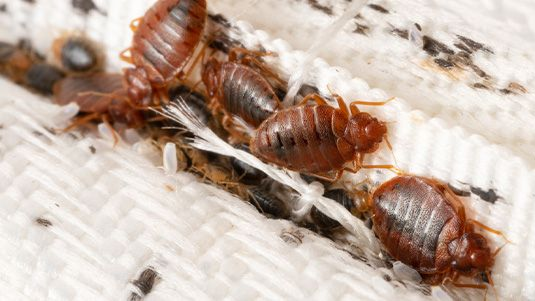
Cooler nights push roaches straight toward your house. Here's why fall is roach season in Hampton Roads, and what actually helps.

Droppings, a musty smell, a roach in broad daylight. Here's what actually confirms an infestation, and what to do about it right away.
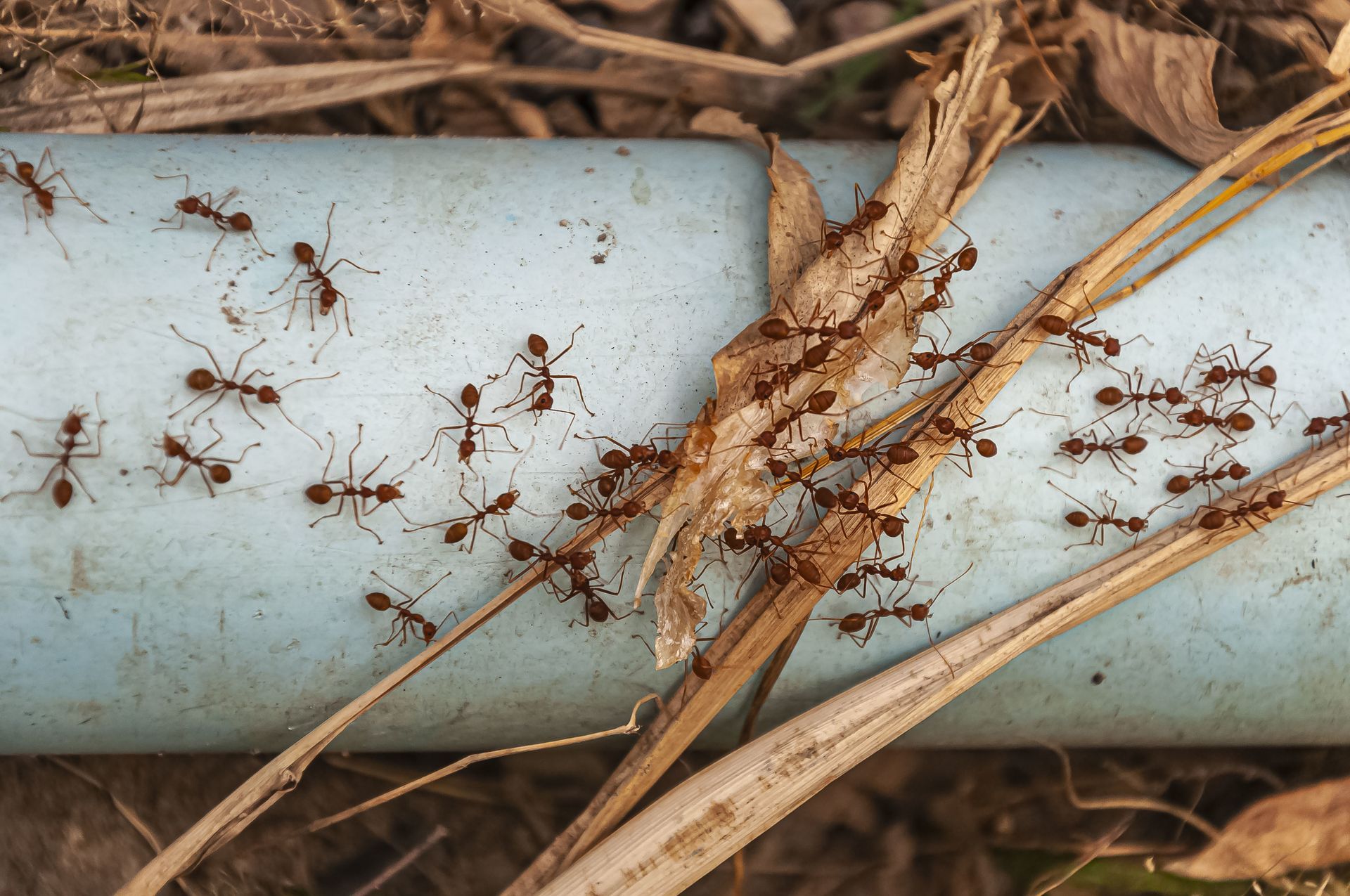
Not sure which roach is in your kitchen? Here's how to tell American and German roaches apart, and why it actually changes the treatment plan.
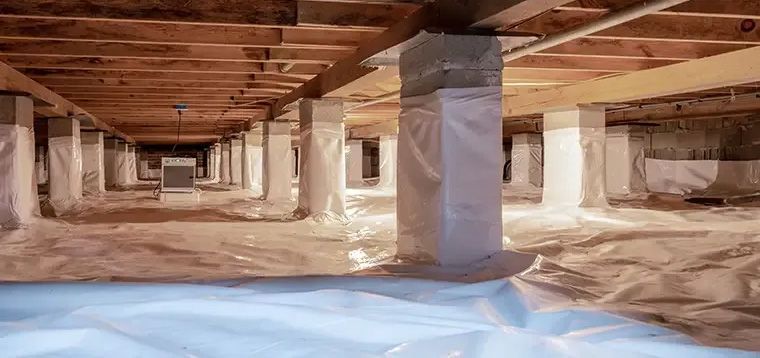
Standing water, musty smells, or a sump pump running nonstop. Here's how Virginia Beach homeowners know it's time for crawl space waterproofing.
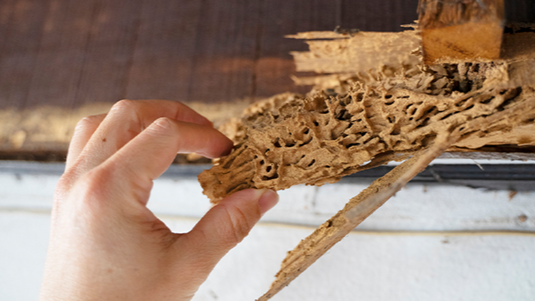
Torn barrier or full moisture overhaul? Here's how to tell whether your Hampton Roads crawl space needs a repair or full encapsulation.
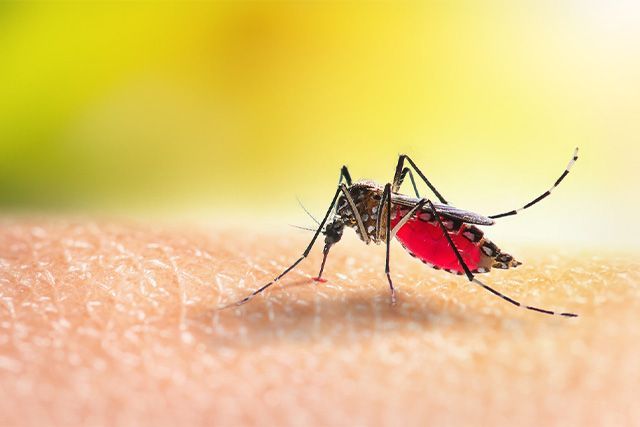
Hampton has more waterfront than most cities its size, and that's exactly why mosquito season hits harder here than it does a few miles inland. Between the Back River, the Hampton River, and the tidal marsh running along Fox Hill and Grandview, there's rarely a shortage of standing water within a short flight of any backyard. Anyone searching for mosquito control Hampton is usually already dealing with a yard that's become unusable by early evening, and the geography here explai ns why. A yard in Fox Hill or Buckroe deals with a different mosquito problem than one out toward Coliseum Central, simply because of proximity to the marsh. That's not to say inland Hampton gets off easy. It just means the pressure builds from a couple of different directions at once, tidal water on one side and the usual clogged gutters and forgotten containers on the other. For homeowners who already know they need help and want the fuller picture on treatment options, mosquito control virginia beach covers what a full season of professional service actually involves, from pricing to how treatment gets scheduled around the local climate. Why Hampton's Geography Makes This Worse The low altitude, tidal creeks, and the curved coastline which borders much of the town contribute to the existence of breeding grounds, which people may not be aware that they are surrounded by. The marsh grass on Fox Hill keeps moisture long after the rain has stopped, and this moisture is what the mosquitoes require in order for the breeding process to continue. Areas that are closer to the water usually experience mosquito activity an hour or more earlier compared to other areas away from the marsh. Salt marsh mosquitoes are good flyers, and therefore can fly far from where they were bred, hence the reason why a property does not have to border a marsh for it to be affected by mosquitoes from a neighboring marsh. Does living near water in Hampton really make mosquitoes worse? Yes. Properties within a few blocks of tidal creeks or marsh see higher mosquito pressure than inland areas, both because breeding habitat sits closer and because activity tends to start earlier in the evening near the water. What Actually Draws Mosquitoes to a Hampton Yard A few conditions show up again and again on inspections around the city: Gutters that back up during the frequent afternoon storms common to the area Low spots in the yard that hold water after rain, especially on the flatter lots near Wythe and Newtown The proximity of dense landscaping to the house, providing adult mosquitoes with shade in the middle of the hot summer day. Uncovered rain barrels or other containers, which are often seen in old Hampton districts that have established gardens. None of these are specific to Hampton only; however, flat landscape along with heavy seasonal rains make the water stay in this area for a longer period compared to places where the natural draining is better. How is Hampton's mosquito season different from the rest of Hampton Roads? The spraying program is conducted from April until October, which is more or less the same calendar schedule for the whole region, although houses close to tidal marshes or creeks usually have the operation beginning a few weeks earlier and ending slightly later than other houses inland. What a Real Treatment Plan Looks Like Here The first step in conducting the operation involves taking a tour of the property rather than blindly spritzing everywhere. The technicians will survey gutters, depressions, and locations where there are shady plantings close to standing water and spray the places used by the adults and the breeding grounds. Monthly service through the season, April into October, keeps pace with how quickly this climate lets populations rebuild. A single treatment fades within weeks in this kind of heat and humidity, which is part of why a one-time spray never holds up the way a scheduled program does. Pricing generally lands in the same $75 to $100 range per treatment seen across Hampton Roads, though a yard backing up to marsh or a creek can run toward the higher end simply because there's more ground and more standing water risk to cover during each visit. Do properties near Hampton's waterfront need more frequent treatment? It is not always more common, but it can be more comprehensive. The technician examining the marsh-adjacent property is bound to spend more time examining the vegetation and drainage points along the shoreline than an ordinary piece of land. A Detail Worth Knowing Before Booking One thing that catches a lot of Hampton homeowners off guard: salt marsh mosquitoes, the kind common along Fox Hill and the Grandview shoreline, can fly several miles from where they hatch. That means a yard with no visible standing water at all can still deal with real pressure if it sits anywhere near the marsh, since the source of the problem isn't necessarily on the property being treated. This is exactly why an inspection matters more than a guess. A technician who understands the tidal geography here knows to check further out than just the yard itself when population pressure doesn't match what's visible on a walkthrough. Can a Hampton yard have a mosquito problem with no standing water on the property at all? Yes, especially near tidal marsh. Salt marsh mosquitoes travel well beyond their breeding site, so a clean, dry yard near the water can still face heavy pressure from a source blocks away. Between Professional Visits A few habits stretch out how long each treatment holds: Empty birdbaths and plant saucers every couple of days rather than letting them sit Clear gutters regularly, since a clogged one is one of the most common hidden breeding spots in older Hampton homes Trim back dense shrubs near the house to cut down on daytime shade mosquitoes rely on Check window and door screens for tears, particularly in homes near the water where salt air tends to wear down materials faster None of that replaces scheduled treatment on a property already dealing with real pressure, but it does help whatever treatment is happening go further between visits. Getting Ahead of the Season in Hampton Waterfront living comes with real advantages, but mosquito pressure is one of the trade offs, and it hits earlier and harder here than in a lot of Hampton Roads. Getting on a monthly schedule before the season peaks, rather than after a yard has already become unusable by evening, makes the difference between managing the problem and playing catch up through August. Anyone dealing with a yard that's already worse than it should be, or who hasn't had an inspection in a while, is better off starting now than waiting for the pressure to build further. Hampton Neighborhoods and What They're Up Against Not every part of the city faces the same pressure, and it's worth knowing where a property falls on that spectrum before assuming a standard treatment plan will cover everything.
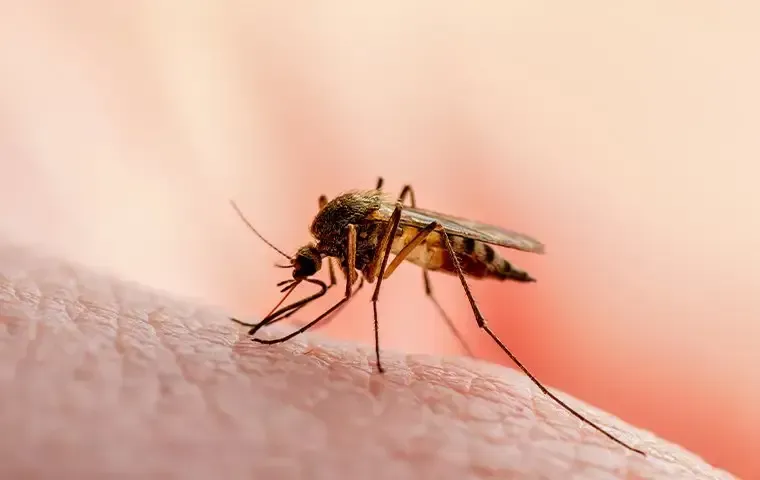
Two cities, two rivers, one shared mosquito problem. Here's what homeowners in Portsmouth and Newport News should know about keeping a yard usable this season.
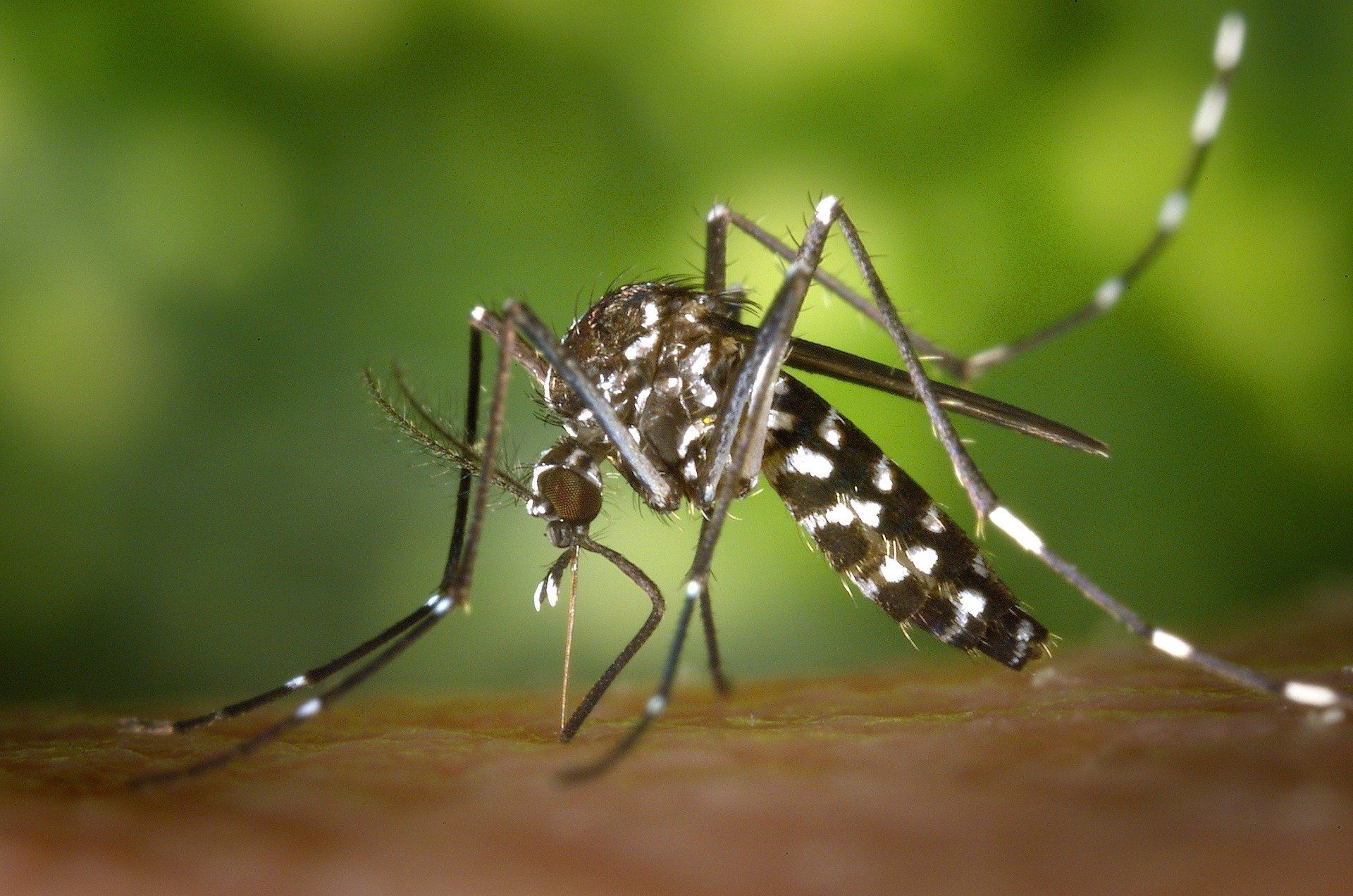
Suffolk's farmland, wetlands, and slow moving waterways create long mosquito seasons. Here's what homeowners should know about keeping a yard usable through summer.
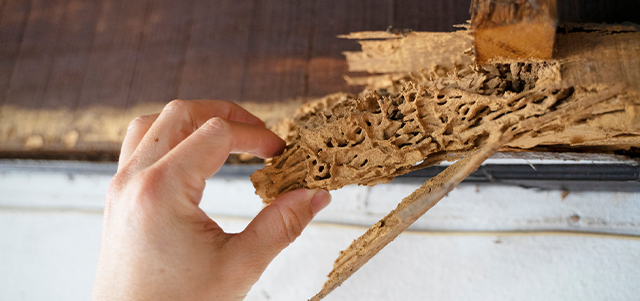
Termite damage often stays hidden until it's expensive. See why Hampton Roads homeowners inspect yearly, and what a real inspection actually covers.

Discover why consistent pest control is essential for coastal homes. Learn how year-round pest protection helps prevent infestations and keeps your home safe.