Mosquitoes After the Storm: How Hampton Roads Flooding Fuels Late-Season Mosquitoes

October 19, 2026

It’s mid-October. The mornings are cooler, the humidity has finally dropped, and you’d expect the mosquitoes to be gone. Then a nor’easter rolls in, the tide pushes water into the low corner of your yard, and a few days later you’re swatting at your ankles on the porch.

If that sounds familiar, you’re not imagining it. In Hampton Roads, flooding and mosquito season are tied together more tightly than almost anywhere else in Virginia. This post explains why, what to expect through the fall, and how to protect your property.

For the full seasonal program, see our mosquito control Virginia Beach guide.
 

Do mosquitoes stay active in October in Virginia Beach?

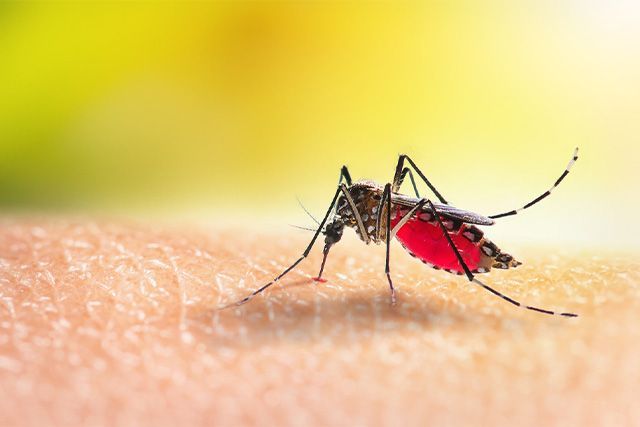
Sadly, Yes! Although mosquito population declines in October, they don’t disappear completely. If the region has experienced tidal flooding, heavy rain, or a warm spell, don’t expect the mosquitoes to slow their activity. Since Hampton Raods’ as a mild coastal climate, frequent storms allow mosquitoes to continue lingering around well past their active season.
 

Fall is storm season, and storms are mosquito season

Hampton Roads sits in a part of the coast that gets hit by tropical system remnants in late summer and early fall, followed by nor’easters through autumn. Both bring heavy rain, wind-driven tides, and standing water.
 

These factors is what makes mosquitoes love this area. Typically, when the temperature drops, mosquito pressure falls down. However, since the storm season hits right at the end of mosquito season, the mosquito population gets new fuel to keep bugging us.
 

How flooding triggers mosquito hatches?

If think all mosquitoes lay eggs directly on water, you are wrong. There are several floodwater mosquito breeds that lay eggs on damp land above the waterline. The eggs can go without hatching from as long as months. When tidal waves cover them or rain water gets collection on them, they hatch within hours to days.
 

This is the reason why when it rains or tidal waves come ashore after a dry, quite stretch, mosquito population surges. This isn’t coincidental. The eggs hatch all at once.

Saltmarsh species work the same way along tidal edges. A high tide pushed by an onshore wind can flood marsh pools and low yards, and a new generation emerges soon after.
 

“Sunny day flooding” is a mosquito issue too

Hampton Roads is known for tidal flooding that happens without any storm at all. During king tides and strong onshore winds, water backs up through storm drains and spills into low streets and yards in places like parts of Norfolk, Chesapeake, and low-lying Virginia Beach neighborhoods.


Even brief flooding can leave behind pools in tire ruts, drainage swales, planting beds, and under decks. If those pools last more than about a week in warm weather, they can produce a batch of mosquitoes. Tidal events repeat on a schedule, so the breeding opportunities do too.

What’s different about the post-storm mosquitoes

After a major rain event, you’ll often see two waves:


A few days after: Floodwater mosquitoes hatch from eggs that were already in the soil. These can be numerous and aggressive biters.


One to two weeks after: Container-breeding mosquitoes, like the Asian tiger mosquito, take advantage of newly filled buckets, gutters, tarps, and saucers. These stay close to home and bite during the day.

This is the reason why a yard can suddenly get infested by mosquitoes when it all seemed nice and comfy a few days back. Thus, doing a post-storm cleanup just once is not enough.
 

Hampton Roads neighborhoods most affected

Mosquito conditions vary by location in Hampton Roads areas:


  • Low-lying Norfolk areas: Due to frequent street and yard flooding, water pockets get created that are ideal for mosquito breeding.
  • Chesapeake neighborhoods: Here, water drains slowly, and ditches can hold water for days.
  • Virginia Beach, Lynnhaven, Bayfront, and Back Bay-adjacent areas: Tidal influence and marsh edges mix saltmarsh mosquitoes with backyard breeders.
  • Newer subdivisions with retention ponds: Ponds that aren’t maintained, or that have overgrown edges, can produce mosquitoes even when no storm hits.


What should a post-storm checklist for Hampton Roads homeowners look like?

Within 2-days of a major rain or flood event:


  1. Do a thorough property check for pooled water. Check for standing water in low corners, under decks, along fence lines, and beside the foundation.
  2. Dump and flip containers. Buckets, wheelbarrows, toys, pots, and pet dishes.
  3. Clear gutters and downspouts. Debris from wind and rain clogs them quickly.
  4. Tilt or drain tarps and covers on boats, grills, and outdoor furniture.
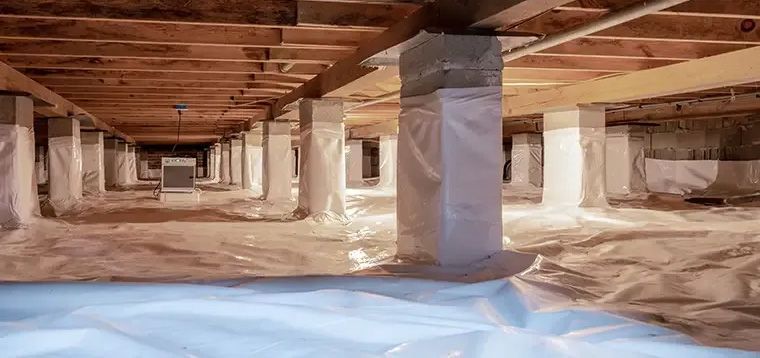
  5. Check crawl space vents and the foundation perimeter. Standing water against the house invites mosquitoes and moisture problems.
  6. Fill or regrade low spots that repeatedly hold water.
     

Repeat the walk about a week later. That’s when container breeders start to build up.


Why you shouldn’t take a “fall break” in treatment?

Most Hampton Roads residents assume that once October has rolled in, the mosquitoes will move out. They often stop mosquito control service after September. But this approach can backfire big time. Getting a professional mosquito control service will not only help you tackle adult mosquitoes that migrate after warm spells and storms, but it will also help you in reducing breeding sites.

Our program runs monthly from April through October for this reason. The season here doesn’t end on a calendar date. It ends when sustained cold arrives, and that can be later than people expect. See the schedule and what each visit includes on our mosquito service Virginia Beach page.


What kind of properties are at higher risk of mosquito infestation?

Mosquitoes are not the only issue one has to deal with in Hampton Roads. Here, flood-prone properties have to tackle moisture under the home. Standing water near the foundation doesn’t only makes it ideal for mosquitoes to breed but also allows crawlspace issues to creep in.


We often suggest that homeowners address drainage and moisture along with mosquitoes if they notice mosquitoes gathering around the foundation. Tackling any one issue is not going to work well in the long run.
 

What should a good late-season mosquito treatment include:

A solid fall mosquito inspection visit should include:

  • Check for standing water and flood pooled areas
  • Mosquito treatment of vegetation dense areas
  • Thorough check of drainage features, retention areas, and shaded corners
  • Honest run-down on what to expect after a storm


The takeaway

Sadly, in Hampton Roads, mosquito control doesn’t end with the end of summer season. Here, the breeding cycle keeps resetting with every tide, every storm, and every heavy down pour. If you want to stay ahead in your mosquito control game, you must make it a habit to check your yard and surrounding after every significant rain. Besides this, keeping up with monthly treatment can also help you address the low spots that are prone to getting flooded after rain.
 
Learn how a full-season plan works in our
mosquito control Virginia Beach guide.


FAQs


  • How does tidal flooding cause mosquito problems?

    Yes. Tidal flooding can fill low spots and marsh edges, creating breeding pools and triggering saltmarsh mosquito hatches.

  • Should I keep mosquito treatment going after summer in Hampton Roads?

    Most local programs run through October because storms and mild weather extend the season. A late-season visit helps control remaining adults and reduces carryover into next spring.

  • What should I do with standing water after a storm?

    It’s best to drain, dump, or flip anything that holds water within a couple of days after raining. Besides this, clear gutters and do remember to recheck every week.

  • Why do I get mosquitoes in my yard even when there’s no standing water?

    Saltmarsh mosquitoes are known to migrate from wetlands and breed on standing water. Thus, even if your area has no standing water but your neighboring yard does, you might get mosquito problem.
Mosquito
October 16, 2026
Salt marshes, tidal flooding and humid summers make Virginia Beach mosquitoes tougher to control than inland Virginia. Here’s why, and what works.
Roaches Indoors
September 21, 2026
Cooler nights push roaches straight toward your house. Here's why fall is roach season in Hampton Roads, and what actually helps.
Roach Infestation
September 15, 2026
Droppings, a musty smell, a roach in broad daylight. Here's what actually confirms an infestation, and what to do about it right away.
American vs. German Roaches
September 9, 2026
Not sure which roach is in your kitchen? Here's how to tell American and German roaches apart, and why it actually changes the treatment plan.
crawl space solutions
August 21, 2026
Standing water, musty smells, or a sump pump running nonstop. Here's how Virginia Beach homeowners know it's time for crawl space waterproofing.
termite inspection chesapeake va
August 21, 2026
Torn barrier or full moisture overhaul? Here's how to tell whether your Hampton Roads crawl space needs a repair or full encapsulation.
August 20, 2026
Hampton has more waterfront than most cities its size, and that's exactly why mosquito season hits harder here than it does a few miles inland. Between the Back River, the Hampton River, and the tidal marsh running along Fox Hill and Grandview, there's rarely a shortage of standing water within a short flight of any backyard. Anyone searching for mosquito control Hampton is usually already dealing with a yard that's become unusable by early evening, and the geography here explai ns why. A yard in Fox Hill or Buckroe deals with a different mosquito problem than one out toward Coliseum Central, simply because of proximity to the marsh. That's not to say inland Hampton gets off easy. It just means the pressure builds from a couple of different directions at once, tidal water on one side and the usual clogged gutters and forgotten containers on the other. For homeowners who already know they need help and want the fuller picture on treatment options, mosquito control virginia beach covers what a full season of professional service actually involves, from pricing to how treatment gets scheduled around the local climate. Why Hampton's Geography Makes This Worse The low altitude, tidal creeks, and the curved coastline which borders much of the town contribute to the existence of breeding grounds, which people may not be aware that they are surrounded by. The marsh grass on Fox Hill keeps moisture long after the rain has stopped, and this moisture is what the mosquitoes require in order for the breeding process to continue. Areas that are closer to the water usually experience mosquito activity an hour or more earlier compared to other areas away from the marsh. Salt marsh mosquitoes are good flyers, and therefore can fly far from where they were bred, hence the reason why a property does not have to border a marsh for it to be affected by mosquitoes from a neighboring marsh. Does living near water in Hampton really make mosquitoes worse? Yes. Properties within a few blocks of tidal creeks or marsh see higher mosquito pressure than inland areas, both because breeding habitat sits closer and because activity tends to start earlier in the evening near the water. What Actually Draws Mosquitoes to a Hampton Yard A few conditions show up again and again on inspections around the city: Gutters that back up during the frequent afternoon storms common to the area Low spots in the yard that hold water after rain, especially on the flatter lots near Wythe and Newtown The proximity of dense landscaping to the house, providing adult mosquitoes with shade in the middle of the hot summer day. Uncovered rain barrels or other containers, which are often seen in old Hampton districts that have established gardens. None of these are specific to Hampton only; however, flat landscape along with heavy seasonal rains make the water stay in this area for a longer period compared to places where the natural draining is better. How is Hampton's mosquito season different from the rest of Hampton Roads? The spraying program is conducted from April until October, which is more or less the same calendar schedule for the whole region, although houses close to tidal marshes or creeks usually have the operation beginning a few weeks earlier and ending slightly later than other houses inland. What a Real Treatment Plan Looks Like Here The first step in conducting the operation involves taking a tour of the property rather than blindly spritzing everywhere. The technicians will survey gutters, depressions, and locations where there are shady plantings close to standing water and spray the places used by the adults and the breeding grounds. Monthly service through the season, April into October, keeps pace with how quickly this climate lets populations rebuild. A single treatment fades within weeks in this kind of heat and humidity, which is part of why a one-time spray never holds up the way a scheduled program does. Pricing generally lands in the same $75 to $100 range per treatment seen across Hampton Roads, though a yard backing up to marsh or a creek can run toward the higher end simply because there's more ground and more standing water risk to cover during each visit. Do properties near Hampton's waterfront need more frequent treatment? It is not always more common, but it can be more comprehensive. The technician examining the marsh-adjacent property is bound to spend more time examining the vegetation and drainage points along the shoreline than an ordinary piece of land. A Detail Worth Knowing Before Booking One thing that catches a lot of Hampton homeowners off guard: salt marsh mosquitoes, the kind common along Fox Hill and the Grandview shoreline, can fly several miles from where they hatch. That means a yard with no visible standing water at all can still deal with real pressure if it sits anywhere near the marsh, since the source of the problem isn't necessarily on the property being treated. This is exactly why an inspection matters more than a guess. A technician who understands the tidal geography here knows to check further out than just the yard itself when population pressure doesn't match what's visible on a walkthrough. Can a Hampton yard have a mosquito problem with no standing water on the property at all? Yes, especially near tidal marsh. Salt marsh mosquitoes travel well beyond their breeding site, so a clean, dry yard near the water can still face heavy pressure from a source blocks away. Between Professional Visits A few habits stretch out how long each treatment holds: Empty birdbaths and plant saucers every couple of days rather than letting them sit Clear gutters regularly, since a clogged one is one of the most common hidden breeding spots in older Hampton homes Trim back dense shrubs near the house to cut down on daytime shade mosquitoes rely on Check window and door screens for tears, particularly in homes near the water where salt air tends to wear down materials faster None of that replaces scheduled treatment on a property already dealing with real pressure, but it does help whatever treatment is happening go further between visits. Getting Ahead of the Season in Hampton Waterfront living comes with real advantages, but mosquito pressure is one of the trade offs, and it hits earlier and harder here than in a lot of Hampton Roads. Getting on a monthly schedule before the season peaks, rather than after a yard has already become unusable by evening, makes the difference between managing the problem and playing catch up through August. Anyone dealing with a yard that's already worse than it should be, or who hasn't had an inspection in a while, is better off starting now than waiting for the pressure to build further. Hampton Neighborhoods and What They're Up Against Not every part of the city faces the same pressure, and it's worth knowing where a property falls on that spectrum before assuming a standard treatment plan will cover everything.
Mosquito Control in Portsmouth
August 19, 2026
Two cities, two rivers, one shared mosquito problem. Here's what homeowners in Portsmouth and Newport News should know about keeping a yard usable this season.
Mosquito
August 18, 2026
Suffolk's farmland, wetlands, and slow moving waterways create long mosquito seasons. Here's what homeowners should know about keeping a yard usable through summer.
Termite  inspection
May 14, 2026
Termite damage often stays hidden until it's expensive. See why Hampton Roads homeowners inspect yearly, and what a real inspection actually covers.