Crawl Space Waterproofing in Virginia Beach: Signs You Need It
A homeowner out near Sandbridge noticed her hardwood floors had started cupping along one wall of the living room. She figured it was just an old house settling, until she went under the crawl space with a flashlight and found about two inches of standing water pooled in that exact corner, right after a normal week of rain, nothing dramatic. That's usually how this starts. Small, easy to miss signs upstairs, and a much bigger picture waiting underneath.
Hampton Roads sits close enough to sea level that a lot of homeowners searching crawl space waterproofing near me aren't dealing with some rare plumbing disaster. They're dealing with groundwater and rain that has nowhere else to go, finding the lowest point available, which is usually the space under the house.
For the fuller picture on how waterproofing fits alongside encapsulation and what a full moisture system involves, crawl space encapsulation virginia beach covers pricing, process, and why this region deals with more of this than most.
Why Water Ends Up Under the House Here
Virginia Beach sits on sandy soil with a water table that runs close to the surface almost everywhere in the city. Rain doesn't have far to travel before it hits groundwater that's already close to the top, and during a wet stretch, that groundwater can rise enough to push into a crawl space that would otherwise stay dry.
Poor exterior drainage makes it worse. Gutters dumping water right next to the foundation, yards that slope toward the house instead of away from it, and older homes without any grading correction at all are common around here, and each one sends more water toward the crawl space than it would otherwise see.
The Signs Worth Paying Attention To
A few warning signs tend to show up before a homeowner even goes looking under the house:
- Floors that feel soft, bounce slightly, or show visible cupping along the edges of hardwood
- A musty smell that gets stronger after rain specifically, rather than staying constant
- Visible water stains or efflorescence, that white chalky residue, on foundation walls
- Doors and windows that stick more during wet months than dry ones
- A sump pump, if one exists, running far more often than it used to
Any single sign here could have another explanation. Combined, especially if they show up after rain specifically, they usually point toward water actively finding its way under the house.
What's Actually Happening Under There
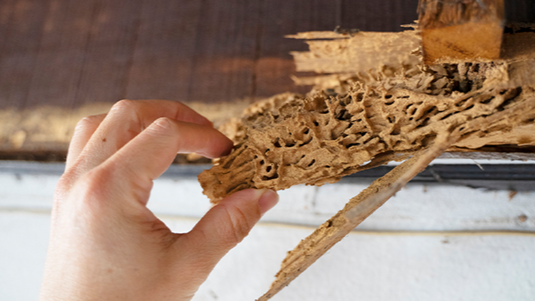
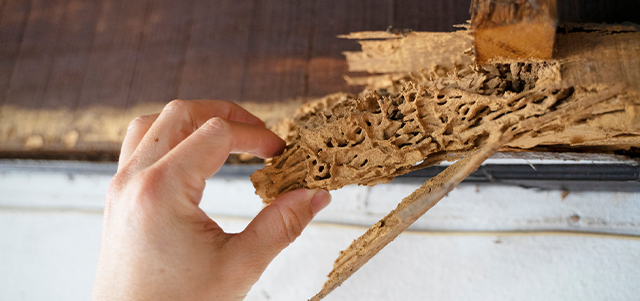
Standing water in a crawl space isn't just sitting still and doing nothing. It's actively affecting the wood, the air, and eventually the structure above it. Wood in direct or near contact with standing water starts breaking down faster than most homeowners expect, sometimes within a single wet season if conditions are bad enough.
The water doesn't need to touch the floor joists directly to cause a problem either. Persistent humidity from standing water below saturates the air in the crawl space, and that humid air works its way into wood and insulation over time, well before anyone notices anything from inside the house.
A Detail Worth Knowing
What might be surprising to some homeowners: a crawl space might appear almost dry on any particular day and yet have a moisture issue. This is because groundwater levels fluctuate based on rainfall levels, and thus a crawl space that appears almost dry on the twelfth day of no rainfall will look very different after the next rainfall hits. This is one reason why just a single-day inspection may not give an accurate picture of what the homeowner is facing. And why asking about recent rain history matters during any real assessment.
What Waterproofing Actually Involves
The waterproofing approach deals with the direction of the water flow, as opposed to encapsulation that involves sealing the area from humidity. Usually, this includes some kind of drainage system either indoors or outdoors (sometimes referred to as French drain), coupled with the use of a sump pump for directing the flow of water away from the foundation.
Often, grading problems can be fixed as well during the process, since water directed away from the foundation will not accumulate inside the crawl space. On properties with a genuinely high water table, a sump pump isn't optional. It's the piece doing the actual work of keeping water from accumulating faster than it can naturally drain.
Homeowners comparing quotes for a moisture control service sometimes get confused when one quote is a fraction of another, and a lot of that gap comes down to whether drainage and a sump pump are actually included, or whether the lower quote is really just a vapor barrier being marketed as a full fix.
Waterproofing Alone or Paired With Encapsulation
Water intrusion problems should be solved first and foremost through waterproofing before applying encapsulation treatment because sealing an area where there is still water coming in does not help resolve the problem at all. When the drainage issue has been solved, and water stops coming in, then only encapsulation can be applied to maintain dryness in the space.
There are numerous properties in Hampton Roads that need both of the treatments, which is why having an entire inspection done is more important than thinking that just one service can do the trick.
Questions Worth Asking During an Inspection
- Has the crawl space been checked shortly after rain, not just on a dry day?
- Is the water coming from groundwater rising, surface runoff, or both?
- Does existing grading direct water toward or away from the foundation?
- Would a sump pump alone solve this, or is broader encapsulation also needed?
What to Expect From a Waterproofing Visit
A proper inspection checks the crawl space itself along with exterior conditions, gutters, grading, downspout placement, since the fix often needs to address both the inside and outside of the problem. Technicians typically want to know about recent rain history too, since a crawl space checked immediately after a storm tells a very different story than one checked after two dry weeks.
From there, the scope gets built around what's actually causing the water intrusion rather than a one size fits all package. A property with poor exterior grading but no genuine water table issue might just need drainage correction outside. A property sitting on naturally high groundwater usually needs an interior system with a sump pump doing the real work.
Don't Wait for the Floor to Tell You
It is not easy to find water underneath a home until something has gone wrong and signs appear somewhere else in a different area, such as a soft spot on the floor, an odor, or a sump pump running constantly. When this problem is detected in time by inspecting it instead of waiting for any sign of problems above, it can be easily fixed.
Anyone noticing even one of the signs above, especially right after a rainy stretch, is better off getting a proper look underneath sooner rather than later. A flashlight and ten minutes under the house on the day after a good rain tells you more than months of wondering about a smell that keeps coming back.