Why Fall Brings Roaches Indoors in Coastal Virginia
Temperatures drop a little in October and the phone starts ringing. Pest companies across Hampton Roads see it every year, right on schedule.
Homeowners searching for a cockroach exterminator virginia beach tend to spike hard in late September through November, and it's not a coincidence. Something specific happens outdoors once the weather turns that pushes roaches, especially American roaches, straight toward the nearest warm, damp building. Often that's your house.
Diamond's full guide on roach control virginia beach covers treatment and cost if you're already dealing with roaches indoors. This piece is about the fall pattern itself, why it happens, and what it means for timing your treatment.
What Actually Changes Outdoors in Fall
Roaches don't hibernate. Cooling air just makes the outdoors a lot less hospitable than it was in July. Mulch beds cool off, storm drains lose some of their summer moisture, and the insects and other food sources roaches rely on outside start thinning out.
A house, on the other hand, barely changes. Heat stays on, moisture stays available in kitchens and bathrooms, and food is sitting out somewhere most nights. From a roach's perspective, that's a massive upgrade over a cooling mulch bed.
American Roaches Move First
American roaches live outside for most of the year, and they're the ones that notice the fall shift earliest. As outdoor temperatures drop into the 50s consistently, they start working their way toward foundations, crawlspaces, and any gap that leads somewhere warmer.
This is part of why fall infestations often look different from summer ones. A homeowner who never had roach problems all summer suddenly finds one in a bathtub or basement in October, and it's almost always an American roach that followed the temperature drop indoors rather than a German roach that's been building a colony unnoticed.
German Roaches Get More Noticeable, Not More Common
German roaches don't really migrate the way American roaches do. What changes in fall is visibility. Cooler weather means windows stay closed, doors get shut faster, and any existing German roach activity that was quietly humming along all summer suddenly gets noticed more, since people are spending more time indoors paying attention.
A small kitchen population that went unnoticed in July, when everyone was in and out constantly, becomes obvious in October when someone's actually home in the evening with the lights on.
There's a real, checkable way to tell the two situations apart. A German roach population that's been building all along usually comes with droppings, an odor, or egg casings already present by the time fall sightings pick up. A fresh American roach arrival typically shows up with none of that supporting evidence yet, just the sighting itself, since it hasn't had time to leave a trail.
Coastal Virginia's Fall Is Longer Than Most Places
The Hampton Roads region doesn’t have an early autumn as those in other inland areas in the North. The humid climate lasts up to October every year, allowing the bugs to slowly make their way inside in response to the weather change, rather than entering the premises all at once due to one sudden change.
This is one of the factors why September up to November remains the period with the most roach complaints specific to this area, and not one sudden spike related to the first frost.
The coastal humidity can affect the bugs even if the temperatures have already dropped, since the ground moisture near the sea evaporates slower than elsewhere. That’s why the foundation and crawl spaces in Virginia Beach and Norfolk remain moist and attract roaches despite the temperature drop.
Signs Fall Roaches Are Different From a Summer Problem
A few patterns show up specifically in fall that are worth knowing.
- A sudden roach sighting after months with no activity, often points to a new American roach arrival rather than an existing colony
- Roaches showing up near doors, windows, or garage entrances more than usual, a sign they're actively seeking entry points
- Increased activity in crawlspaces and basements as outdoor temperatures drop
- Existing kitchen activity becoming more noticeable, not because numbers grew, but because people are indoors more to see it
Telling these apart matters. A fresh American roach arrival calls for sealing entry points and treating the exterior. Kitchen activity that's just become more visible calls for the interior baiting approach used on German roaches.
Why Waiting Until Winter Backfires
A lot of homeowners assume the problem will solve itself once it actually gets cold. It doesn't, not entirely. Roaches that made it indoors before the real cold sets in are now inside a heated house with steady food and water, conditions that don't change at all through winter.
What was a fall entry problem in October can turn into an established indoor population by January if nothing gets treated in between. The house stays warm all winter regardless of what's happening outside, so there's no natural reset waiting on the other side of the season.
Homeowners sometimes point to a hard freeze as the moment they expect relief, but a single cold night outside does nothing to the roaches that already made it into a heated crawlspace or kitchen weeks earlier. Once they're in, the outdoor weather stops being relevant to them entirely.
Timing Treatment Around the Fall Shift
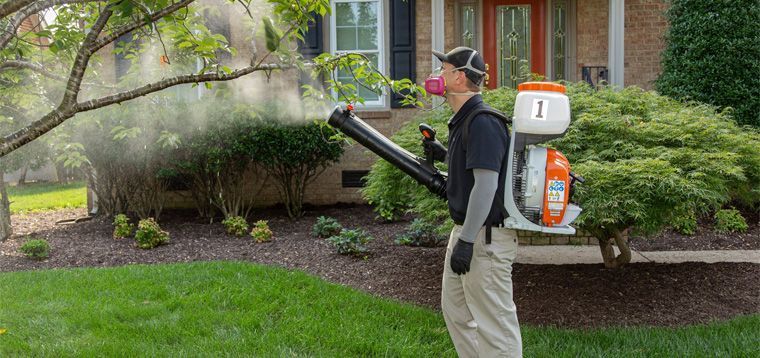
A quarterly pest plan timed to include a fall treatment tends to catch this transition before it turns into a real problem. Treating the exterior perimeter in September or early October, before the heaviest wave of American roaches starts moving, blocks a lot of entry points before they get used.
Homeowners typing roach control near me for the first time in fall are often dealing with exactly this seasonal shift rather than a longstanding infestation, which is actually good news. Fresh problems caught early are a lot easier and cheaper to resolve than something that's been building for months.
What to Do If You're Already Seeing Roaches This Fall
Start with a real look at entry points. Gaps around utility lines, vents, foundation cracks, garage door seals, all common paths during this specific season. Sealing what you can reach yourself helps, but a full inspection catches gaps most homeowners never think to check.
The roach exterminator will also be able to instantly determine whether you are facing a new American roach infestation or an old German roach colony which has just become visible due to the change in weather. This makes a huge difference as far as the extermination process is concerned since there's no point in making mistakes when you have to do something again.
None of this requires waiting until things get bad. A quick call at the first sighting, even before droppings or an odor show up, is usually enough to catch a fall entry problem before it has a chance to settle in for the winter.
Fall roach activity isn't a fluke or bad luck. It's a predictable seasonal pattern that plays out across Hampton Roads every single year, and treating ahead of it tends to cost less, in both time and money, than waiting until the problem's fully moved in for winter. A quick inspection now beats a bigger, slower fix once the colder months are already underway.