American vs. German Roaches: Identification Guide for Hampton Roads Homes

September 9, 2026

Kitchen light flips on late at night, something skitters under the fridge. Most people's first thought isn't even "how do I get rid of it." It's "what did I just see."


Good instinct, actually. The roach on your counter and the one hiding in a crawlspace vent might not even be the same species. And they don't get treated the same way.


Calling a roach exterminator without knowing which roach you're looking at is a bit like calling a plumber without knowing whether it's a leak or a clog. Both plumbing problems. Very different fixes.


Diamond's full guide on roach control Virginia Beach covers cost, treatment, and prevention in detail. This piece sticks to identification, the part that decides everything else.


The Two Roaches Hampton Roads Homeowners Actually Deal With


Two species show up in local homes way more than anything else: American roaches and German roaches. Different look, different behavior, different game plan.


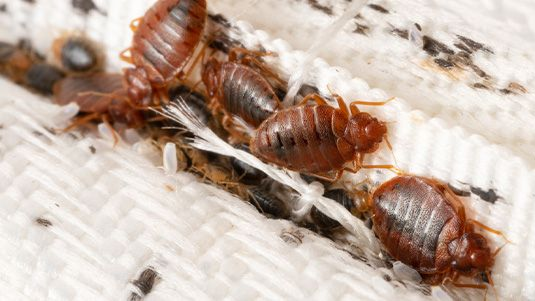
American roaches are the big ones. Reddish-brown, shiny shell, sometimes over two inches long once fully grown, big enough that most people flinch before they get curious. They live outside mostly, mulch beds, storm drains, crawlspaces, wandering in when they're chasing water. Heavy rain does it. So does a long dry, hot stretch.


German roaches are smaller and lighter, tan to light brown, usually under an inch. These are the ones that actually move in and stay put. Once they've settled into a kitchen or bathroom, they're not wandering back outside on their own.


Size Isn't the Only Way to Tell Them Apart


Size gets you most of the way there at a glance. A few other details confirm it.


  • American roaches carry a pale, yellowish band right behind the head, almost like a faint halo
  • German roaches have two dark parallel stripes running down their back, visible even on younger nymphs
  • American roaches can fly short distances as adults, which catches a lot of homeowners off guard the first time they see one glide across a room
  • German roaches rarely fly, wings or not


That stripe pattern on German roaches holds up as a reliable marker even from a few feet away, regardless of the roach's exact size or age.


How Fast Each One Actually Multiplies


This is where the two species really pull apart, and it's a big reason German roaches turn into a bigger headache so much faster.


A German roach egg case holds roughly 30 to 40 nymphs. A single female can produce several of these over her lifetime. Give it decent conditions and a handful of German roaches can turn into a real infestation within months. American roaches breed slower, egg cases closer to 14 to 16 nymphs, with a longer gap between generations.


That gap explains the urgency difference. Spot one German roach and it's a warning sign something's already building. Spot one American roach and it might just be a random visitor that wandered in from the yard.


Where You're Most Likely to Spot Each One


Location tells you almost as much as looks do.


American roaches turn up in crawlspaces, garages, storm drains, sometimes basements. Kitchen sinks and bathtubs too, drawn in by moisture, sometimes stuck trying to climb back out of a smooth basin.


German roaches tend to be near sources of both food and water. First kitchens and then bathrooms. They will be behind the refrigerator, in the area under the sink, or in cabinets close to the stove and dishwasher. Finding German roaches in such tight and humid spaces is pretty much indicative of the species.


Time of day can be quite important here as well, especially because it confuses people. The fact is that German roaches are nocturnal insects which like to hide in small cracks when it’s light outside, so their appearance in the daytime in a kitchen is rather indicative as well. It usually means the hiding spots are full and the colony's overflowing into open space. American roaches wander more freely regardless of time, so a daytime sighting from them doesn't carry the same weight.


Bugs People Mistake for Roaches


A few other bugs get called "roaches" often enough to mention. Wood-eating beetles and large water bugs both get lumped in by homeowners who catch a glimpse of something dark and fast and don't stick around for a closer look.


Water bugs, sometimes called Palmetto bugs around here, actually are a type of roach. Closely related to the American roach, behaving almost identically. Hear someone mention a "Palmetto bug" and you're really talking about the same treatment approach as an American roach sighting.


Why the Species Changes the Whole Treatment Plan


This part matters more than most homeowners realize going in.


American roach problems usually get solved from the outside, sealing entry points, treating the exterior perimeter. They're not building a big indoor colony, so knocking down the outdoor population and blocking their path handles most of it.


German roach problems need interior work instead. Gel baits in cracks, cabinets, wherever they actually travel, plus attention to kitchen sanitation, since a food source is usually what's keeping the colony fed in the first place. Spraying the outside barely touches a German roach infestation that's already living inside your walls.

Basis American Roach German Roach
Size 1.5-2 inches 0.5-0.6 inches
Color Reddish-brown Tan to light brown
Marking Pale band behind head Two dark stripes on back
Can fly Yes, short distances Rarely
Common spot Crawlspaces, drains, garages Kitchens, bathrooms
Treatment focus Exterior + entry sealing Interior baiting + sanitation

What to Do If You're Still Not Sure


Mixing the two up happens, especially with a young German roach or a smaller American roach. Still stuck? A photo beats a description every time. Snap a picture next time one shows up. Even a blurry phone photo usually shows enough, the stripe pattern especially, to make the call.


People searching roach control near me after one sighting sometimes assume they need the heaviest treatment available right away. Getting the ID right first usually means a smaller, more targeted plan instead of throwing everything at the problem.


A technician can confirm the species during an inspection too, which helps when droppings or egg casings are the only evidence rather than an actual live roach. German roach egg cases run small and dark, more oval and a bit larger than what an American roach leaves behind, worth mentioning if you're describing what you found over the phone.


Location of the droppings matters here too. Droppings scattered near a crawlspace vent or garage door usually point toward American roaches passing through. Droppings concentrated inside a kitchen cabinet or behind an appliance almost always mean German roaches have set up shop somewhere close by. 


Daytime sightings, a musty smell, small dark droppings near the stove, all showing up together? That combination points toward German roaches specifically. Worth calling a cockroach exterminator Virginia Beach homeowners trust sooner rather than later, since German roach numbers climb fast once they're established.


Knowing which roach you've got isn't just about curiosity. It's the first real step toward a treatment plan built around what's actually in your house, not a generic spray-and-hope approach. 

Roaches Indoors
September 21, 2026
Cooler nights push roaches straight toward your house. Here's why fall is roach season in Hampton Roads, and what actually helps.
Roach Infestation
September 15, 2026
Droppings, a musty smell, a roach in broad daylight. Here's what actually confirms an infestation, and what to do about it right away.
crawl space solutions
August 21, 2026
Standing water, musty smells, or a sump pump running nonstop. Here's how Virginia Beach homeowners know it's time for crawl space waterproofing.
termite inspection chesapeake va
August 21, 2026
Torn barrier or full moisture overhaul? Here's how to tell whether your Hampton Roads crawl space needs a repair or full encapsulation.
August 20, 2026
Hampton has more waterfront than most cities its size, and that's exactly why mosquito season hits harder here than it does a few miles inland. Between the Back River, the Hampton River, and the tidal marsh running along Fox Hill and Grandview, there's rarely a shortage of standing water within a short flight of any backyard. Anyone searching for mosquito control Hampton is usually already dealing with a yard that's become unusable by early evening, and the geography here explai ns why. A yard in Fox Hill or Buckroe deals with a different mosquito problem than one out toward Coliseum Central, simply because of proximity to the marsh. That's not to say inland Hampton gets off easy. It just means the pressure builds from a couple of different directions at once, tidal water on one side and the usual clogged gutters and forgotten containers on the other. For homeowners who already know they need help and want the fuller picture on treatment options, mosquito control virginia beach covers what a full season of professional service actually involves, from pricing to how treatment gets scheduled around the local climate. Why Hampton's Geography Makes This Worse The low altitude, tidal creeks, and the curved coastline which borders much of the town contribute to the existence of breeding grounds, which people may not be aware that they are surrounded by. The marsh grass on Fox Hill keeps moisture long after the rain has stopped, and this moisture is what the mosquitoes require in order for the breeding process to continue. Areas that are closer to the water usually experience mosquito activity an hour or more earlier compared to other areas away from the marsh. Salt marsh mosquitoes are good flyers, and therefore can fly far from where they were bred, hence the reason why a property does not have to border a marsh for it to be affected by mosquitoes from a neighboring marsh. Does living near water in Hampton really make mosquitoes worse? Yes. Properties within a few blocks of tidal creeks or marsh see higher mosquito pressure than inland areas, both because breeding habitat sits closer and because activity tends to start earlier in the evening near the water. What Actually Draws Mosquitoes to a Hampton Yard A few conditions show up again and again on inspections around the city: Gutters that back up during the frequent afternoon storms common to the area Low spots in the yard that hold water after rain, especially on the flatter lots near Wythe and Newtown The proximity of dense landscaping to the house, providing adult mosquitoes with shade in the middle of the hot summer day. Uncovered rain barrels or other containers, which are often seen in old Hampton districts that have established gardens. None of these are specific to Hampton only; however, flat landscape along with heavy seasonal rains make the water stay in this area for a longer period compared to places where the natural draining is better. How is Hampton's mosquito season different from the rest of Hampton Roads? The spraying program is conducted from April until October, which is more or less the same calendar schedule for the whole region, although houses close to tidal marshes or creeks usually have the operation beginning a few weeks earlier and ending slightly later than other houses inland. What a Real Treatment Plan Looks Like Here The first step in conducting the operation involves taking a tour of the property rather than blindly spritzing everywhere. The technicians will survey gutters, depressions, and locations where there are shady plantings close to standing water and spray the places used by the adults and the breeding grounds. Monthly service through the season, April into October, keeps pace with how quickly this climate lets populations rebuild. A single treatment fades within weeks in this kind of heat and humidity, which is part of why a one-time spray never holds up the way a scheduled program does. Pricing generally lands in the same $75 to $100 range per treatment seen across Hampton Roads, though a yard backing up to marsh or a creek can run toward the higher end simply because there's more ground and more standing water risk to cover during each visit. Do properties near Hampton's waterfront need more frequent treatment? It is not always more common, but it can be more comprehensive. The technician examining the marsh-adjacent property is bound to spend more time examining the vegetation and drainage points along the shoreline than an ordinary piece of land. A Detail Worth Knowing Before Booking One thing that catches a lot of Hampton homeowners off guard: salt marsh mosquitoes, the kind common along Fox Hill and the Grandview shoreline, can fly several miles from where they hatch. That means a yard with no visible standing water at all can still deal with real pressure if it sits anywhere near the marsh, since the source of the problem isn't necessarily on the property being treated. This is exactly why an inspection matters more than a guess. A technician who understands the tidal geography here knows to check further out than just the yard itself when population pressure doesn't match what's visible on a walkthrough. Can a Hampton yard have a mosquito problem with no standing water on the property at all? Yes, especially near tidal marsh. Salt marsh mosquitoes travel well beyond their breeding site, so a clean, dry yard near the water can still face heavy pressure from a source blocks away. Between Professional Visits A few habits stretch out how long each treatment holds: Empty birdbaths and plant saucers every couple of days rather than letting them sit Clear gutters regularly, since a clogged one is one of the most common hidden breeding spots in older Hampton homes Trim back dense shrubs near the house to cut down on daytime shade mosquitoes rely on Check window and door screens for tears, particularly in homes near the water where salt air tends to wear down materials faster None of that replaces scheduled treatment on a property already dealing with real pressure, but it does help whatever treatment is happening go further between visits. Getting Ahead of the Season in Hampton Waterfront living comes with real advantages, but mosquito pressure is one of the trade offs, and it hits earlier and harder here than in a lot of Hampton Roads. Getting on a monthly schedule before the season peaks, rather than after a yard has already become unusable by evening, makes the difference between managing the problem and playing catch up through August. Anyone dealing with a yard that's already worse than it should be, or who hasn't had an inspection in a while, is better off starting now than waiting for the pressure to build further. Hampton Neighborhoods and What They're Up Against Not every part of the city faces the same pressure, and it's worth knowing where a property falls on that spectrum before assuming a standard treatment plan will cover everything.
Mosquito Control in Portsmouth
August 19, 2026
Two cities, two rivers, one shared mosquito problem. Here's what homeowners in Portsmouth and Newport News should know about keeping a yard usable this season.
Mosquito
August 18, 2026
Suffolk's farmland, wetlands, and slow moving waterways create long mosquito seasons. Here's what homeowners should know about keeping a yard usable through summer.
Termite  inspection
May 14, 2026
Termite damage often stays hidden until it's expensive. See why Hampton Roads homeowners inspect yearly, and what a real inspection actually covers.
Professional pest control worker
April 28, 2026
Discover why consistent pest control is essential for coastal homes. Learn how year-round pest protection helps prevent infestations and keeps your home safe.
November 10, 2025
Virginia Beach is blessed with plenty of oceanfront views and boardwalk vibes. But it’s also a prime breeding ground for termites. Thanks to our hot, humid summers and mild winters, termites thrive here year-round. And once they find a cozy spot in your home's wood structures? It’s game on. Thus, it’s always a great idea to have Virginia Beach exterminators a call away. Why Virginia Beach is a Hotspot for Termite Activity? The moisture-rich climate creates the perfect environment for termite colonies. Combine that with the city’s many older homes and wooded areas, and you've got a termite buffet just waiting to happen. Common Types of Termites in the Region Subterranean Termites – The most common culprits. They build mud tunnels and love damp, soft wood. Drywood Termites – Less common but just as destructive. They don’t need contact with soil and nest directly in wood. Early Signs of a Termite Infestation Here’s the thing about termites: by the time you see damage, they’ve already been at it for months—maybe even years. But you can catch them early if you know what to look for. Mud Tubes on Walls or Foundations These pencil-sized tubes act as protective tunnels for termites. If you spot one trailing up your concrete or drywall, that's a huge red flag. Discarded Wings Near Windows or Doors When termites swarm (a.k.a. their version of speed dating), they shed their wings. Finding piles of wings around entry points? Yup, they’re in. Hollow-Sounding Wood Knock on wood—literally. If it sounds hollow, termites may have eaten away the inside. It’s like a wooden shell with nothing but trouble underneath. Tight-Fitting Doors and Windows Termites bring moisture into your walls as they munch, causing wood to warp. Doors that used to swing easily now feel sticky or misaligned? Check for other signs nearby. Less Obvious Termite Clues You Shouldn't Ignore Not all signs are loud and clear. Some are sneakier. Bubbling Paint or Uneven Surfaces Termites can cause moisture build-up behind paint, leading to bubbles or warping that looks like water damage—but isn’t. Small Holes in Drywall or Wood Tiny, pin-sized holes might seem harmless. But these could be termite exit points, where they push out frass or sneak into your walls. Noisy Walls — Yes, Termites Make Noise It sounds weird, but if your house is quiet enough, you might hear soft clicking or munching sounds. That’s the termites at work. Outdoor Signs of a Termite Infestation Sometimes the signs show up before the termites even enter your home. Damaged Trees or Stumps Got old tree stumps or dead trees on your property? Termites love them. These are often their first stop before they move in. Termite Droppings (Frass) Drywood termites leave behind tiny, pellet-like droppings. If you find piles of them under wooden furniture or baseboards, you’ve got company. Dead Termites Around Exterior Lights Swarming termites are drawn to light. If you find dead ones on your porch in the morning, it’s time for an inspection. How to Confirm a Termite Problem? Not sure if what you’re seeing is really termites? It’s best to have exterminators in Virginia Beach check them. Let’s walk through how you can double-check. DIY Inspection Tips Check your crawl space and attic with a flashlight. Tap exposed wood with a screwdriver—listen for that hollow sound. Look for mud tubes on foundation walls or under sinks. When to Call a Professional? If you're seeing multiple signs or unsure of what you're dealing with, don’t wait. Professional Virginia Beach exterminator use infrared and moisture meters to find the stuff you can’t see. The Cost of Ignoring Termites in Virginia Beach Structural Damage Risks Left untreated, termites can eat through support beams, joists, and even flooring. We're talking tens of thousands in repairs. Insurance Limitations Most homeowners' insurance policies do not cover termite damage. It's considered “preventable”—which makes regular inspections even more important. Real Estate Nightmares Trying to sell a home with termite damage? Good luck. Most buyers will walk, or you’ll be forced to pay for fumigation and repairs before closing. How to Get Rid of Termites? Local Termite Treatment Options Liquid Soil Treatments Bait Stations Foam Applications Fumigation (for extreme cases) Virginia Beach has a number of reputable pest control companies , but always look for ones that specialize in termites and offer warranties. Natural Remedies vs Professional Help Orange oil, nematodes, and vinegar can maybe kill a few termites—but they won't destroy a whole colony. For serious infestations, go pro. Preventive Tips for Virginia Beach Homeowners Keep Wood Away from Your Foundation Firewood, lumber, or mulch stacked against your house? You're practically setting out a buffet. Control Moisture in and Around Your Home Fix leaking pipes, ensure proper drainage, and use dehumidifiers in crawl spaces or basements. Schedule Annual Inspections Early detection is everything. Book an inspection every spring—or more often if you've had issues before. Conclusion Termites are sneaky little destroyers, and in a place like Virginia Beach, they’re not going anywhere anytime soon. But with a sharp eye, quick action, and the right prevention strategies, you can stay ahead of the game and protect your home for the long haul. FAQs What time of year are termites most active in Virginia Beach? Spring and early summer are prime swarming season, especially after rain and rising temps. How fast can termites destroy a home? A single colony can cause serious damage in under a year—especially if left unchecked. Are termite inspections required in Virginia? They’re not mandatory for homeowners, but highly recommended—especially during real estate transactions. What attracts termites the most? Moisture, wood-to-soil contact, and hidden entry points are big draws. Can you treat termites without tenting? Yes, especially for localized infestations. Bait systems and liquid treatments are effective alternatives to tenting.