Year-Round Pest Protection in Coastal Homes: Why Consistency Matters More Than Quick Fixes
If you've lived in a coastal Hampton Roads home for more than a year or two, you already know how this goes. Ants show up in April. Spiders turn up by June. And by November you're lying in bed wondering what that noise in the attic actually is. It's not bad luck. It's just how pest control works around here, and the cycle barely lets up.
Pest activity in this region stays fairly constant year round. It just keeps changing shape depending on the season, how much moisture is sitting in the air, and whatever's happening around your foundation that particular month. That's really the whole reason a single treatment or a quick DIY fix rarely holds.
Real protection comes down to a plan, not a one-off visit. That's the whole idea behind
pest control virginia beach done right: get ahead of activity before it settles in, instead of reacting once it already has.
Why Coastal Homes Never Really Get a Break From Pests
When compared to other cities in terms of pest infestation, Virginia Beach is certainly not your typical city. This coastal climate provides a combination of factors that pests enjoy greatly. Some of them include the level of humidity, winters that barely qualify as cold, and moisture sources found just about anywhere from clogged gutters to moist crawl spaces. This ensures that breeding, survival, and indoor migration becomes easy for the pests in case there are slight changes in the outdoor environment.
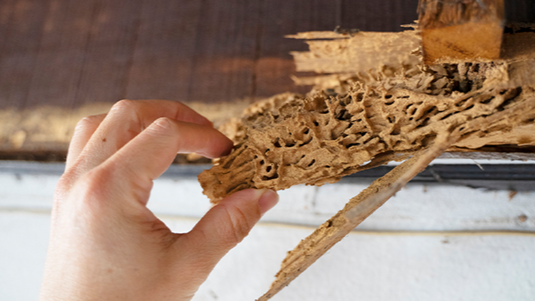
The termites remain active during winter while the mosquitoes thrive in the puddles formed by rainwater. Rodents start hunting for shelter the moment temperatures swing come fall. Even the everyday stuff, ants, roaches, finds plenty of entry points in homes where moisture and small structural gaps already exist.
None of this is seasonal in the way people assume. It's more of a year round pattern, which is exactly why professional pest management here leans on ongoing prevention instead of chasing one big knockout treatment.
The Trouble With One-Time Treatments
It's easy to think a single visit fixes everything. The visible pests disappear, and the problem feels solved. What's actually happening behind the walls tells a different story though. Eggs still hatch. Hidden colonies keep growing. Whatever let the pests in the first time is usually still open.
One-time treatments tend to fail for a few pretty consistent reasons:
- They deal with symptoms, not the actual source
- Hidden nesting spots go completely untouched
- They don't account for whatever pest shows up next season
- Entry points stay open for the next wave to use
That's basically why so many homeowners end up calling back within a few weeks or months. No structured plan behind it, and the same cycle just starts over.
Quarterly or Monthly: What Actually Fits Your Home
Not every property needs the same level of coverage, and the pricing reflects that pretty directly.
| Program | Frequency | Typical cost | Best fit |
|---|---|---|---|
| Quarterly pest control | Every 3 months | Around $100 to $150 per visit | General prevention, low to moderate pest pressure |
| Monthly pest control | Every month | Around $50 to $90 per visit | Active infestations, homes near wooded or water-heavy areas |
Quarterly service lines up with seasonal pest shifts, catching activity as it's ramping up instead of after it's already dug in. Monthly service is really for properties that need tighter monitoring, whether that's a documented pest history or just a location that sits in a rougher spot for pest pressure. A decent pest control service should walk you through which one actually fits, not just push whichever plan is easiest to sell that day.
Inspection Comes First, Not Treatment
Inspection might be the most overlooked part of pest management, and it's honestly the foundation everything else gets built on. Skip it, and treatment turns into a guess. Do it right, and treatment gets targeted at what's actually there.
A proper inspection usually covers:
- Entry points around doors, windows, and the foundation
- Moisture-prone spots that tend to draw pests in
- Hidden activity inside crawl spaces, attics, and wall voids
- Early infestation signs that wouldn't show up on a normal walkthrough
Skip that first step, and a technician is treating based on a guess. Do it properly, and the plan actually matches what's really going on at the property.
Mosquitoes Need Their Own Schedule Entirely
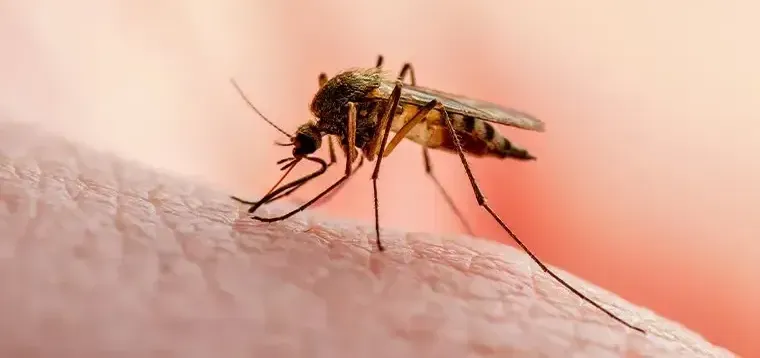
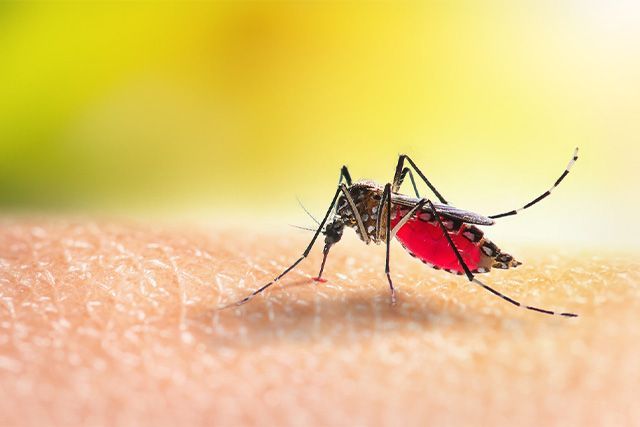
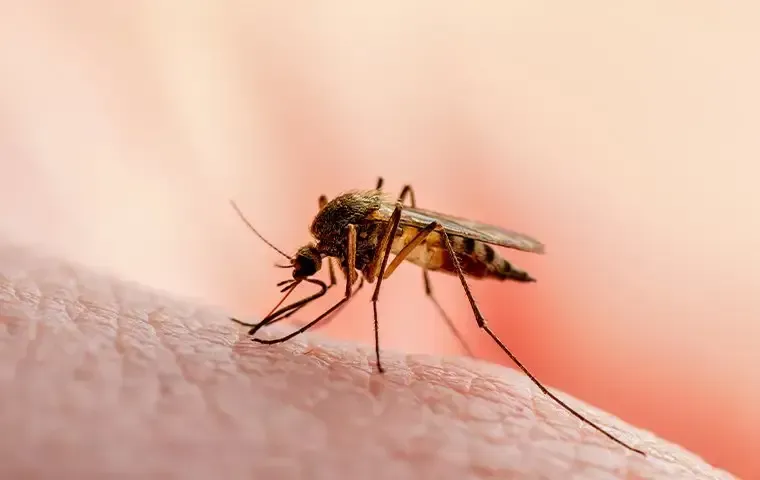
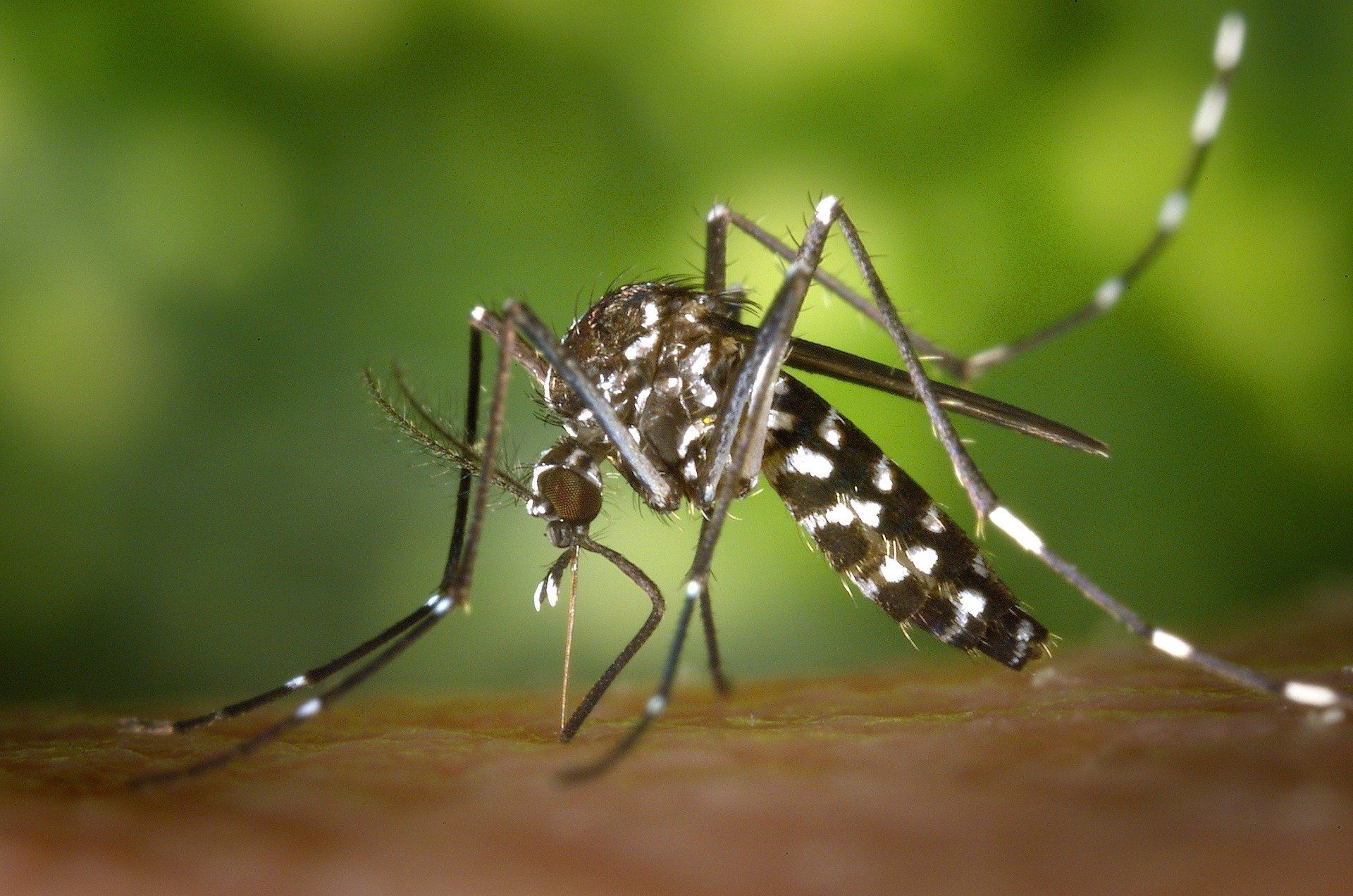
Mosquitoes make a pretty good case for why consistency beats a single spray. In a humid coastal environment, populations bounce back fast, sometimes within days of treatment. Standing water, shaded corners, and thick vegetation all create near-perfect breeding conditions, and one solid rainstorm can undo a one-time application almost overnight.
Monthly mosquito reduction programs go after actual breeding sites, knock down the adult population that's already active, and hold that control through the peak stretch, which usually runs April through October around here. That's really the difference between a backyard you can use in July and one you avoid.
Crawl Spaces: Where a Lot of This Quietly Starts
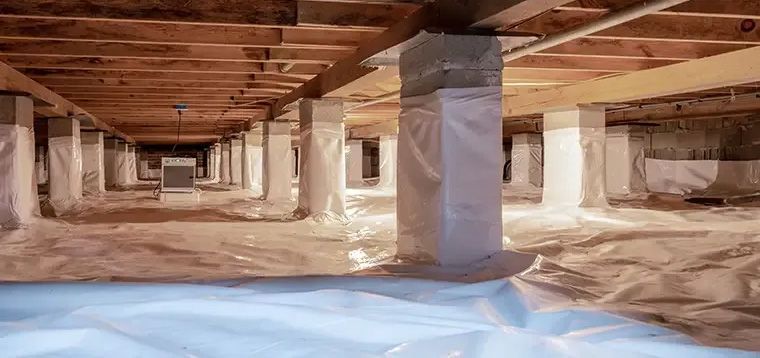
Here's something most homeowners never think to check. Some of the biggest pest problems in a house start somewhere nobody looks. The crawl space. Dark, damp, usually under-ventilated, it's about as close to an ideal setup as it gets for rodents, termites, and various insects to settle in long before they ever reach the living space above.
Once pests get established down there, moving into the rest of the house doesn't take much. That's why crawl space conditions matter just as much as the pest treatment itself. Fixing damaged insulation or correcting a moisture issue isn't some side task tacked on. It's part of actually solving the problem instead of just treating the surface of it.
What Real Pest Prevention Actually Looks Like
The strongest pest control plans don't lean on scheduled visits alone. They pair professional service with a handful of habits homeowners keep up on their own between appointments.
A few worth building into a routine:
- Seal any visible cracks or openings around the outside.
- Control moisture in crawl spaces and basements.
- Ensure that your food storage area is clean and properly sealed.
- Follow through with your scheduled visits rather than avoiding them.
Put together the above practices along with regular pest prevention services, and you will have a house that does not just react to an invasion but resists them altogether.
Serving Hampton Roads Year Round
Coverage extending from Virginia Beach to Chesapeake, to Norfolk and Suffolk, to Portsmouth and Hampton, to Newport News, Williamsburg, Yorktown, Gloucester, and Windsor is much more important than one might think at first glance. There are some slight variations in pest trends throughout the region, and a company which is aware of these small variations is able to formulate a more precise strategy than the average one.
Staying Ahead Beats Catching Up, Every Time
If there's already visible activity, droppings, damage, strange sounds, bugs you can actually see, that's the moment to act. If there isn't, that's honestly still the better time to start. Prevention almost always costs less and disrupts less than dealing with a full infestation once it's already taken hold.
Pest control was never really about one good treatment. It's about consistency, and actually understanding how pests behave in this specific environment instead of a generic one somewhere else. In a place where conditions favor pest activity nearly all year, staying ahead of it is the only approach that holds up over time.